
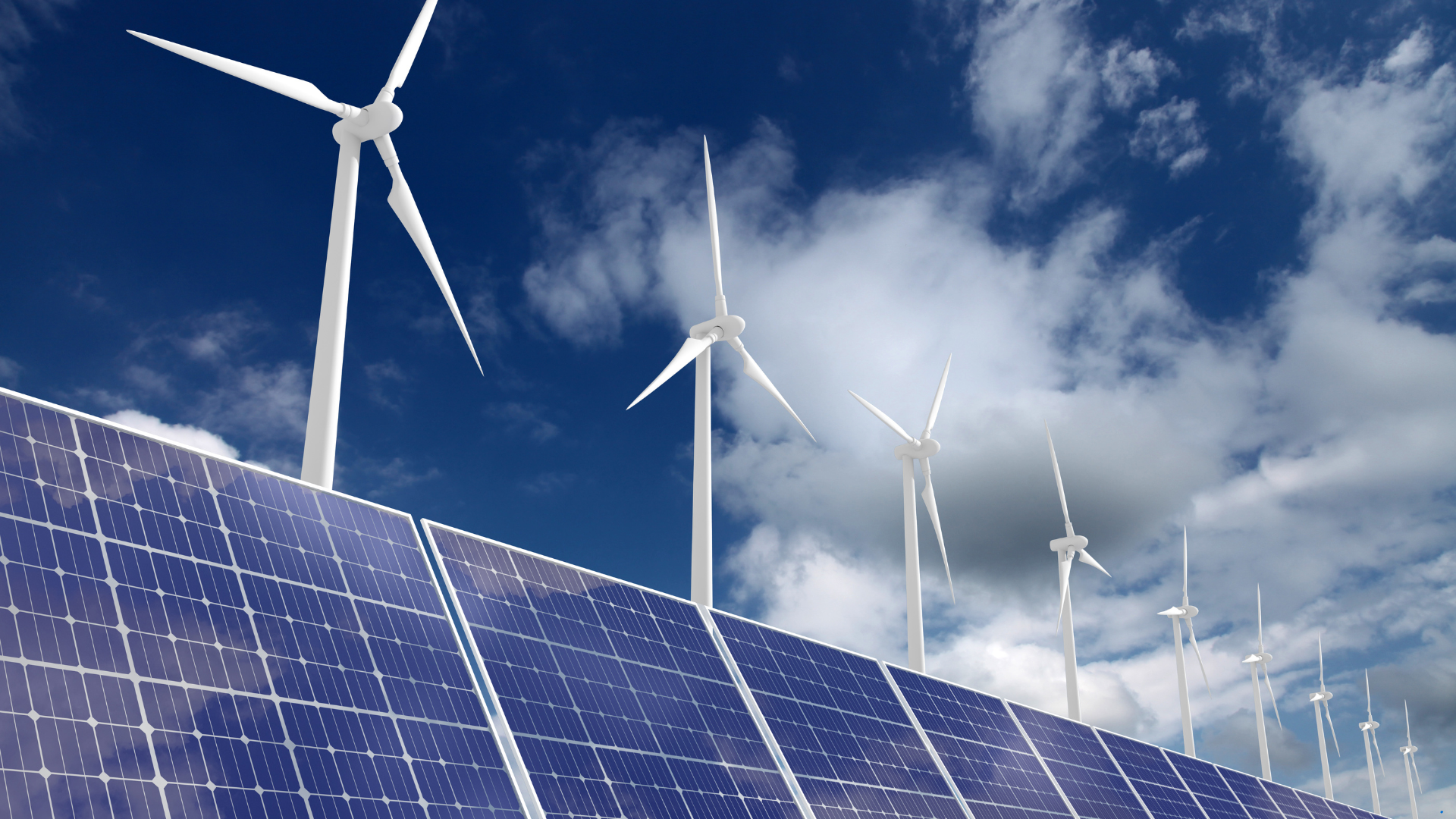
It can feel frustrating to hear that renewable energy is now cheaper to produce than fossil fuel generated electricity, yet electricity bills are continuing to rise. In 2024, over 65% of the UK’s electricity was generated from renewable sources such as wind, solar, nuclear and tidal power, but most households saw their bills going up rather than down. So, what’s really going on?
Let’s take a closer look at why energy prices are still increasing, even as the UK moves toward greener energy.
What Determines the Cost of Electricity?
Although much of the UK’s electricity now comes from renewable sources, the wholesale price of electricity is still tied to gas prices. This is because the UK energy market sets prices based on the most expensive form of generation available at any given time – and that’s usually gas fired power plants. So even if most of the electricity you use comes from renewables, your energy bills are still linked to global gas prices.
The Cost of Progress: Upgrading the National Grid
The UK’s National Grid was originally built for fossil fuel generation, not for the growing number of wind and solar farms across the country. To support a fully renewable future, it’s estimated that over £58 billion in upgrades will be needed to modernise and expand the grid.
These upgrades will allow energy to glow more efficiently from where it’s generated (often in the north) to where it’s needed (in the south). However, the cost of these improvements is passed down from suppliers to consumers, resulting in higher bills.
Paying to Turn Off Renewable Energy
Ironically, renewable energy production is sometimes too high for the grid to handle. When there’s an oversupply – for example of particularly sunny or windy days – renewable generators are often paid to reduce or stop production. In 2025 alone, over £500 million has been spent compensating energy companies for curtailing production to prevent overloading the grid. These costs are also added to consumer bills.
Will Energy Bills Go Down in the Future?
The short answer: no one knows for sure. Until the UK’s energy infrastructure can fully support renewable generation, and while gas still sets the market price, bills are likely to remain unpredictable.
The government has discussed zonal pricing, which would make electricity cheaper in regions where renewable energy is high (like Scotland, Wales and northern England) and more expensive in areas with less renewable infrastructure (like the South East).
While this may encourage investment in clean energy, it’s unlikely that savings will be passed on immediately to households, if at all.
What Can Homeowners Do?
For many households, the best way to take proactive control of their energy costs is to generate their own power. Installing a solar PV system allows you to produce and use your own free electricity, reducing your dependence on the grid and protecting yourself from ongoing price increases.
By combining solar panels with battery storage, you can store surplus electricity for use at night or during cloudy days, further increasing your independence from fluctuating market prices.
Ready to Lower Your Energy Bills?
If you’re ready to explore how solar could cut your electricity costs and protect you from rising prices, speak to your local solar experts today. You’ll receive a free, no obligation quote and design package tailored to your home and energy needs. No hard sell, just honest advice and real savings.
The only way is solar.